
Transform Your Health with Balanced Nutrition
Discover science-backed dietary strategies designed specifically for men. Our editorial content explores nutrition fundamentals, meal planning principles, and lifestyle adjustments to help you achieve sustainable health goals.

The information on this site is for educational purposes only and does not constitute medical advice. Always consult a qualified healthcare professional before making health decisions.
Why Balanced Nutrition Matters
Cardiovascular Health
A balanced diet rich in whole grains, lean proteins, and healthy fats supports heart function and helps maintain optimal cholesterol levels and blood pressure.
Muscle & Strength
Adequate protein intake combined with proper macronutrient distribution fuels muscle growth, recovery, and sustained physical performance throughout your day.
Mental Clarity
Proper nutrition enhances cognitive function, mood regulation, and sustained energy levels, improving focus and overall mental well-being.
Weight Management
Strategic meal planning and mindful eating patterns establish sustainable habits that support long-term weight stability and body composition goals.
Energy & Stamina
Balanced macronutrient timing and micronutrient density provide consistent energy throughout your day without energy crashes or fatigue.
Immune Support
Nutrient-dense foods rich in vitamins, minerals, and antioxidants strengthen your body's natural defense systems and promote overall wellness.

Understanding Macronutrients & Micronutrients
A truly balanced diet for men requires understanding the role of macronutrients—proteins, carbohydrates, and fats—as well as essential micronutrients like vitamins and minerals. Each plays a critical role in different body functions.
Men's nutritional needs vary based on age, activity level, and health goals. Our editorial content breaks down these concepts in accessible language, helping you make informed dietary choices that align with your lifestyle and objectives.
- Protein intake: Essential for muscle maintenance and repair, typically 1.6–2.2g per kilogram of body weight for active men.
- Carbohydrate quality: Choose whole grains, legumes, and vegetables over refined sources for sustained energy.
- Healthy fats: Omega-3 fatty acids, olive oil, and nuts support heart and brain function.
Your Journey to Better Nutrition
Assess Your Current Habits
Start by evaluating your existing diet, eating patterns, and nutritional intake. Understanding where you are now provides a baseline for meaningful change. Keep a food diary for 3–5 days to identify patterns, deficiencies, and areas for improvement.
Define Clear Nutritional Goals
Identify what you want to achieve—whether it's improved energy, better body composition, enhanced athletic performance, or overall wellness. Set realistic, measurable goals with specific timelines. This clarity guides meal planning and helps maintain motivation over time.
Plan & Implement Balanced Meals
Design meal plans that align with your goals and lifestyle. Incorporate nutrient-dense whole foods, maintain appropriate macronutrient ratios, and prepare meals that are both satisfying and sustainable. Start with small adjustments rather than drastic changes.
Monitor Progress & Adjust
Track how you feel, your energy levels, and any measurable changes over weeks and months. Be willing to adjust your approach based on results and feedback from your body. Nutrition is not one-size-fits-all; personalization leads to long-term success.
Featured Diet Plans & Approaches

Mediterranean Approach
Emphasizes olive oil, fish, whole grains, legumes, and vegetables. This approach is associated with heart health and sustainable long-term eating patterns that fit most lifestyles.
Learn More →
High-Protein Strategy
Focused on adequate protein intake to support muscle growth and recovery. Ideal for men engaged in regular strength training or looking to optimize body composition.
Learn More →
Plant-Based Balanced Eating
Incorporates whole plant foods while ensuring adequate protein, iron, and B12 intake. A flexible approach suitable for men pursuing vegetarian or vegan lifestyles.
Learn More →
Whole Food Focus
Prioritizes unprocessed and minimally processed foods. Emphasizes natural nutrient density and eliminates artificial additives, supporting overall health and vitality.
Learn More →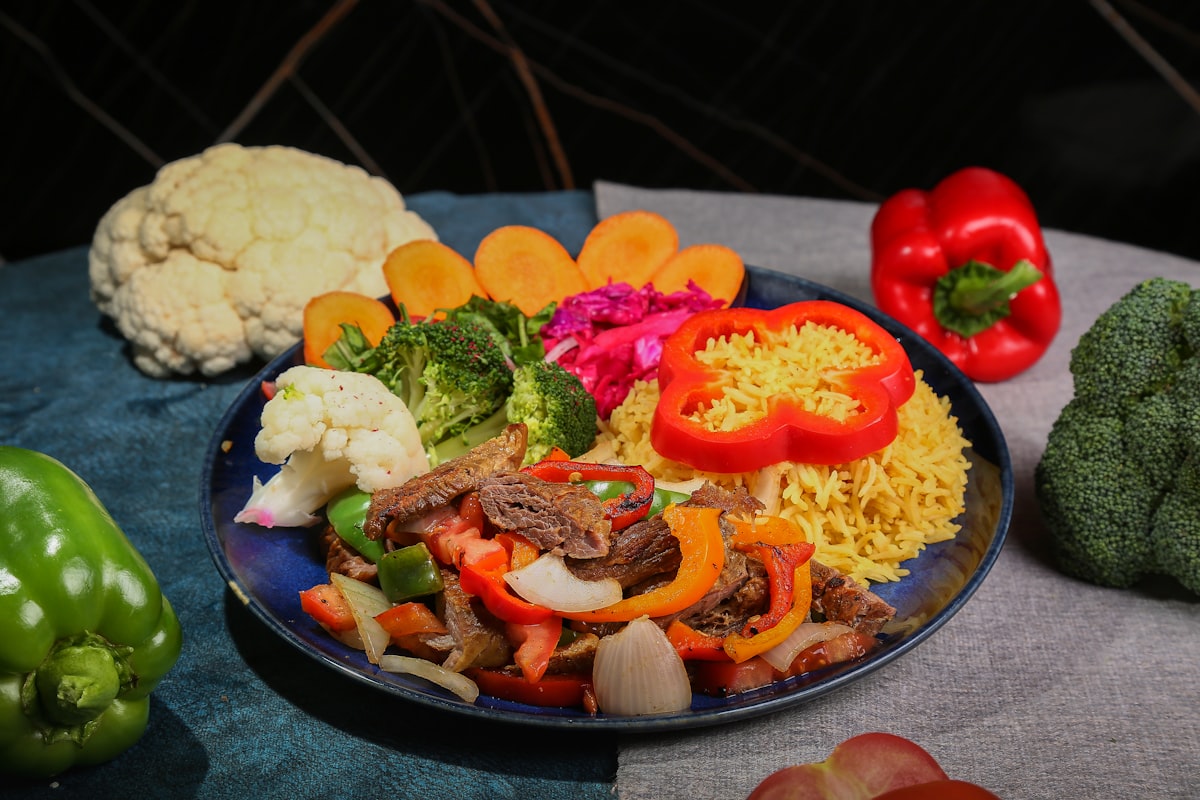
Athletic Performance Nutrition
Designed for active men, focusing on proper pre and post-workout nutrition, carbohydrate timing, and electrolyte balance to optimize training results.
Learn More →
Flexible & Sustainable
Balances nutritional science with real-world living. Includes room for favorite foods while maintaining healthy habits—the approach most men can sustain long-term.
Learn More →Frequently Asked Questions
The general recommendation is 0.8g of protein per kilogram of body weight for sedentary individuals. For men engaging in regular strength training or resistance exercise, 1.6–2.2g per kilogram is more appropriate. For example, a 80kg active man would aim for 128–176g of protein daily. This can come from sources like chicken, fish, eggs, Greek yogurt, legumes, and plant-based proteins.
Yes, absolutely. Many men successfully build and maintain muscle on plant-based diets by consuming adequate protein from legumes, tofu, tempeh, seitan, nuts, seeds, and plant-based protein powders. The key is meeting total daily protein requirements and ensuring you consume all essential amino acids. Combining different plant protein sources throughout the day provides complete amino acid profiles.
For most men, spreading carbohydrates throughout the day works well. However, if you exercise regularly, consuming carbohydrates before and after workouts can enhance performance and recovery. Pre-workout carbs (1–2 hours before) provide energy, while post-workout carbs (within 30–60 minutes) help replenish glycogen stores. The total daily carbohydrate intake matters more than timing for average fitness goals.
A balanced diet includes adequate protein, a variety of whole grains and carbohydrate sources, healthy fats, and abundant vegetables and fruits. Monitor your energy levels, how you feel throughout the day, your physical performance, and any visible changes in your body composition. Keep a food diary occasionally to assess whether you're meeting macronutrient and micronutrient targets. Consulting our nutrition guidance articles can help you evaluate your approach.
Most nutrients should ideally come from whole foods. However, depending on your diet, activity level, and location (particularly for vitamin D in northern climates), certain supplements may be beneficial. Common considerations include vitamin D, B12 (especially for plant-based men), omega-3 fatty acids, and magnesium. Before starting any supplementation regimen, it's wise to assess your actual needs through dietary analysis or consult with a nutrition professional.
Success Stories from Our Readers
"Following the balanced nutrition principles from this site completely changed how I approach eating. I have more sustained energy throughout my workday, my workouts are stronger, and I feel genuinely better overall. The information is science-based but easy to understand, and the practical tips helped me implement real changes without feeling restricted."
Marco Rossi
Basel, Switzerland
"As someone transitioning to a plant-based diet, I was worried about getting enough protein and maintaining muscle mass. The detailed articles about plant-based protein sources and meal planning gave me the confidence to make the switch. Six months later, I'm stronger and healthier than ever, and I credit this resource for providing accurate, actionable information."
Daniel Keller
Zurich, Switzerland
"I was skeptical about changing my diet, but the clear breakdown of macronutrients and practical meal examples made everything click. I've lost weight, my energy is stable, and I'm not constantly hungry. The best part is that I actually enjoy the meals I'm eating now. This isn't restrictive—it's sustainable living made simple."
Thomas Müller
Lausanne, Switzerland
"As an athlete training for endurance events, the athletic performance nutrition section has been invaluable. Learning about carbohydrate timing, electrolyte balance, and proper fueling has directly improved my training consistency and race results. The science-backed approach gives me confidence in my nutritional strategy."
Christoph Meyer
Bern, Switzerland
Stay Updated with Nutrition Insights
Subscribe to receive the latest articles on men's nutrition, balanced diet strategies, and practical wellness tips delivered to your inbox.
We respect your privacy. You can unsubscribe at any time.
Ready to Transform Your Nutrition?
Explore our comprehensive guides, discover personalized approaches to balanced eating, and learn how proper nutrition can enhance your health and performance.
Explore Our Content